
Types of equipment we finance
Clear, honest financing options with no hidden costs — by industry. Not sure where your equipment fits? See the underwriting factors on the ABC's of Financing page.
Tips for financing construction equipment
Depending on the area of construction
you're in, and where your business is located, you may qualify for seasonal payments instead of monthly payments.
Lenders love construction equipment
Because the industry is growing, even a mediocre credit score can get approved with good terms and a solid financing contract.
Should I choose an EFA or a lease?
Past 5 years of expected use, an Equipment Finance Agreement usually makes more sense. If you like running the newest equipment, a purchase-option lease may fit better.
Construction equipment can be costly
It's worth knowing whether renting or purchasing makes more sense for your bottom line — checking current rental rates is a good place to start.
Great deals exist on used equipment
Private sellers are a real source — Facebook Marketplace and Craigslist are both worth checking.
Ready to finance your equipment?
Every deal is different.
Tell us what you're financing and get a straight answer.
Get a quote →
Construction Equipment
Construction is one of the fastest-growing industries in the country — and one of the most under-supplied with new skilled labor. That combination tends to work in your favor with lenders.
$0 down financing is available with terms up to 72 months across most construction equipment, new or used, with no age or hour restrictions on most programs. A used crane can run $50,000-plus, with new units into the millions; skid steers and scissor lifts typically run $20,000-$100,000 depending on specialization.
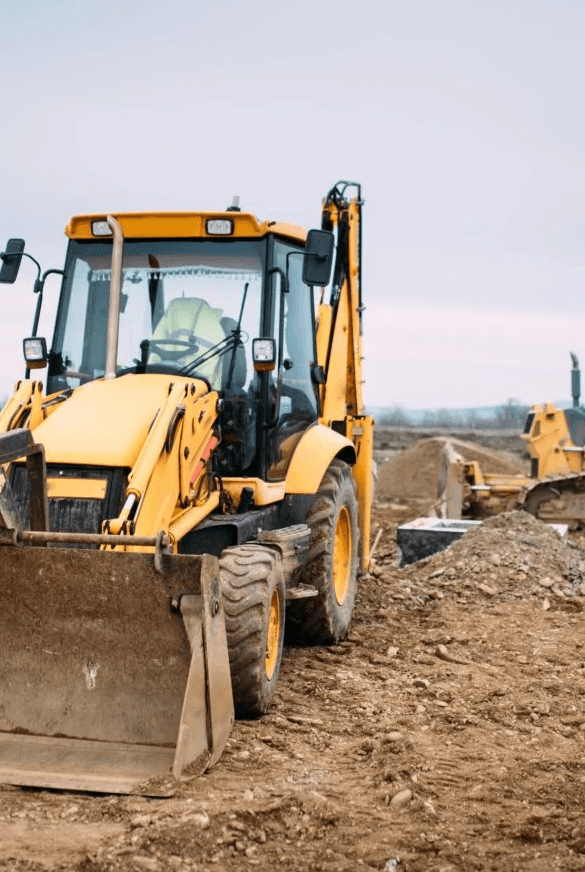
Backhoes
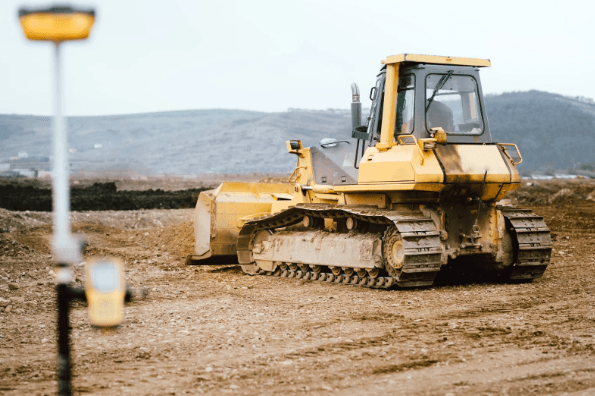
Bulldozers
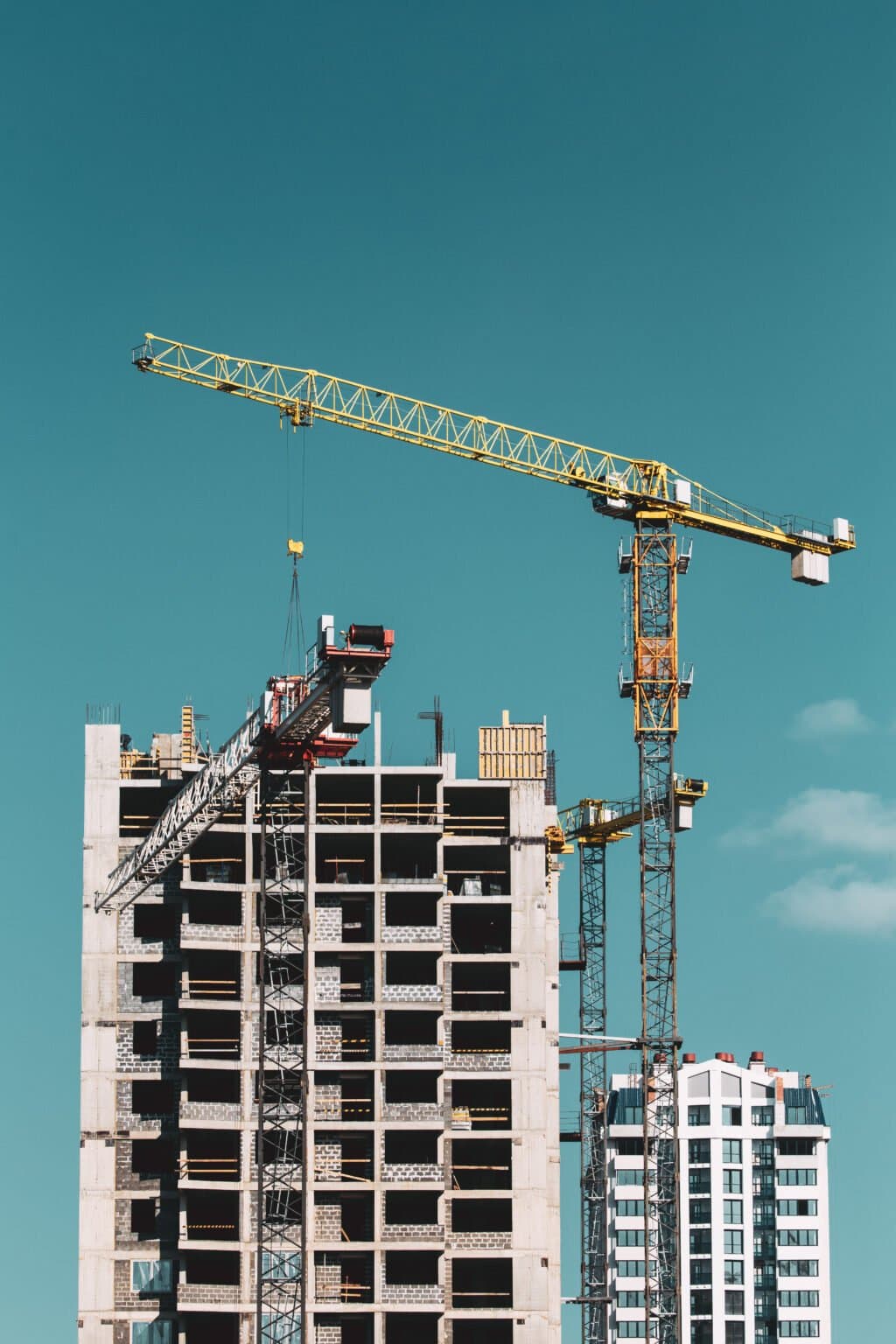
Cranes
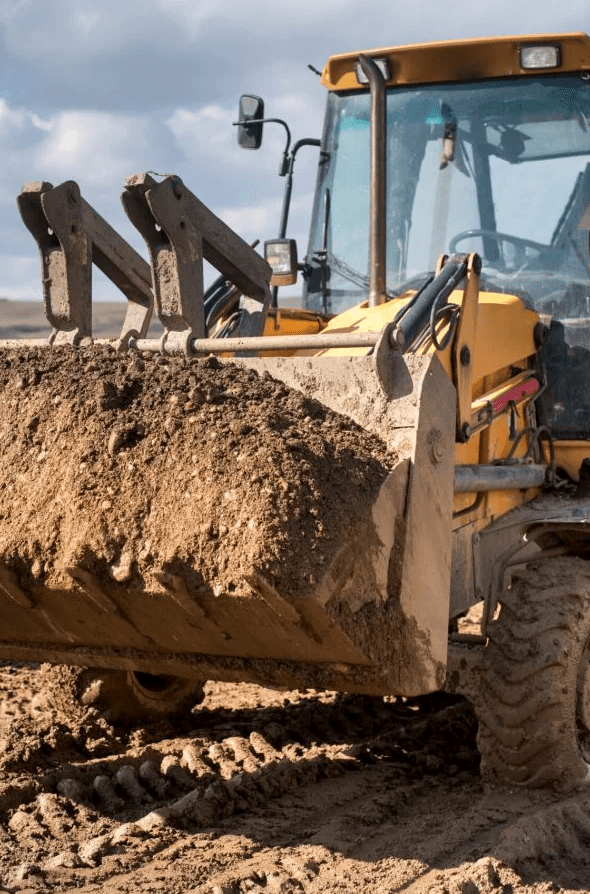
Excavators
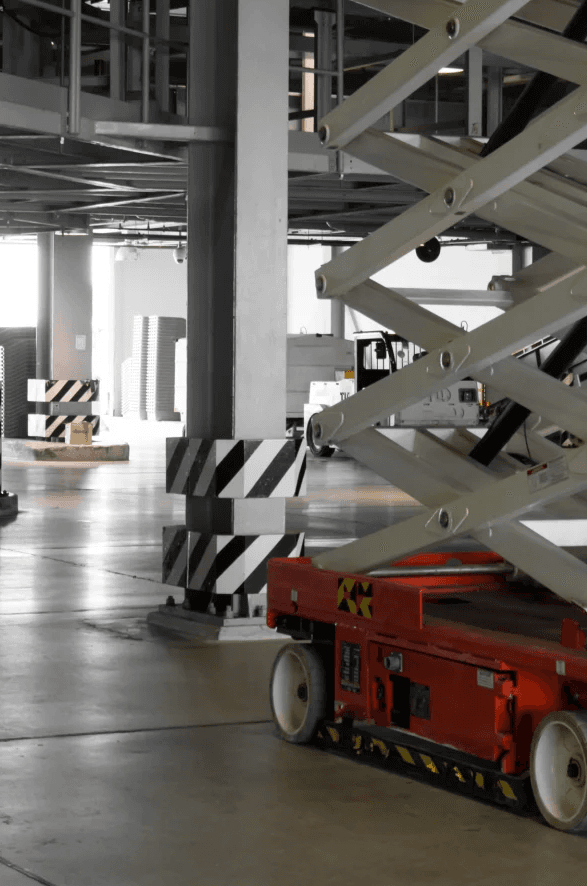
Scissor lifts
Trucking & Logistics
Financed over Darlene's 25+ years in commercial equipment financing, across thousands of trucks for owner-operators and fleets alike.
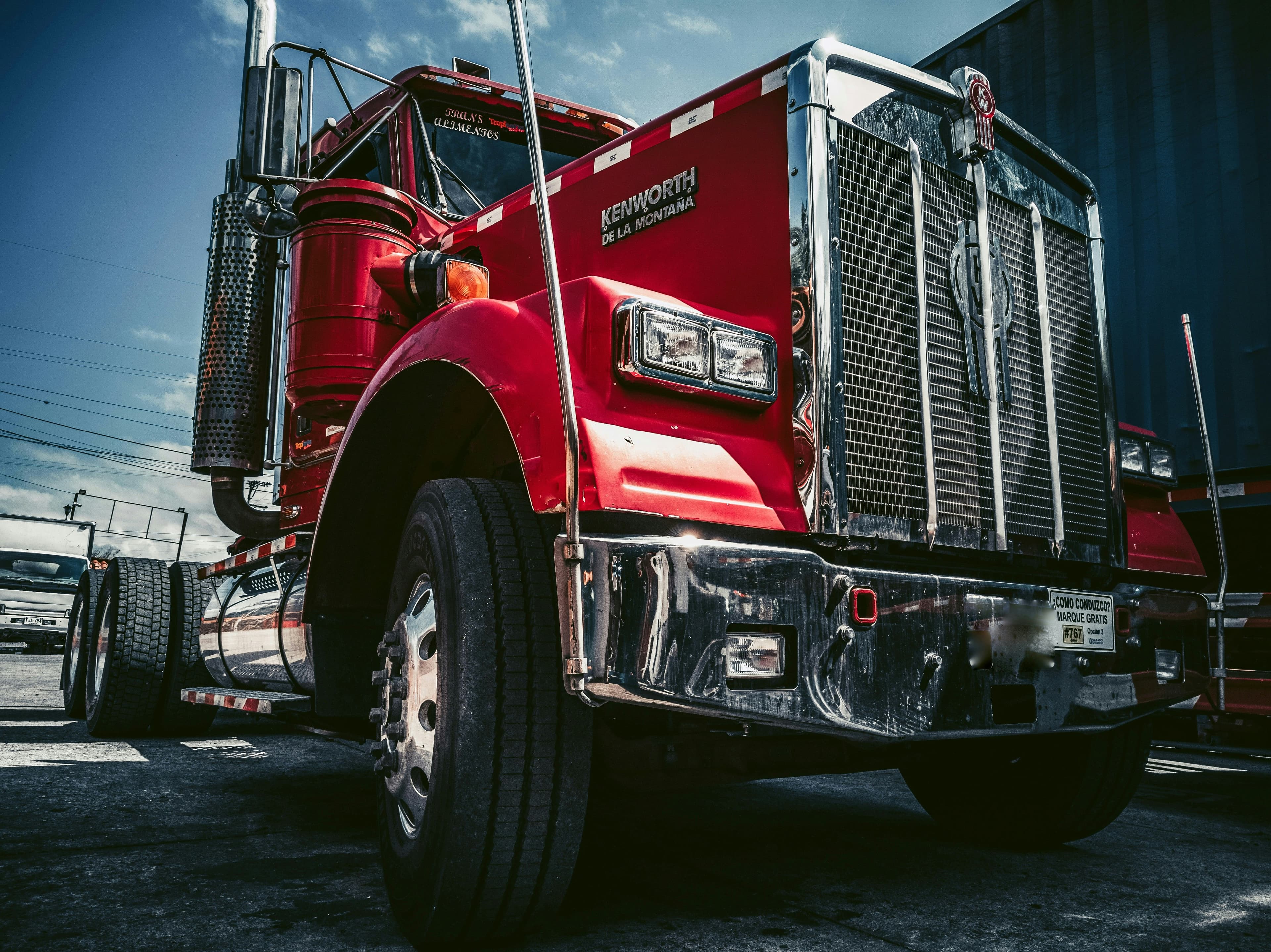
Types of trucks we finance
Financing is a tax write-off, preserves your operating cash, and gets funds moving faster than most owner-operators expect — whether you're adding to a fleet or covering repair costs as an owner-operator.
Types of trailers we finance
Trailer financing is underwritten differently than truck financing: a trailer doesn't move on its own, so a lender may ask for bank statements confirming you can still make the payment if your truck is down. For most owner-operators and fleets, financing (or paying cash) makes more sense than renting a trailer you need on a regular basis.
Restaurant Equipment
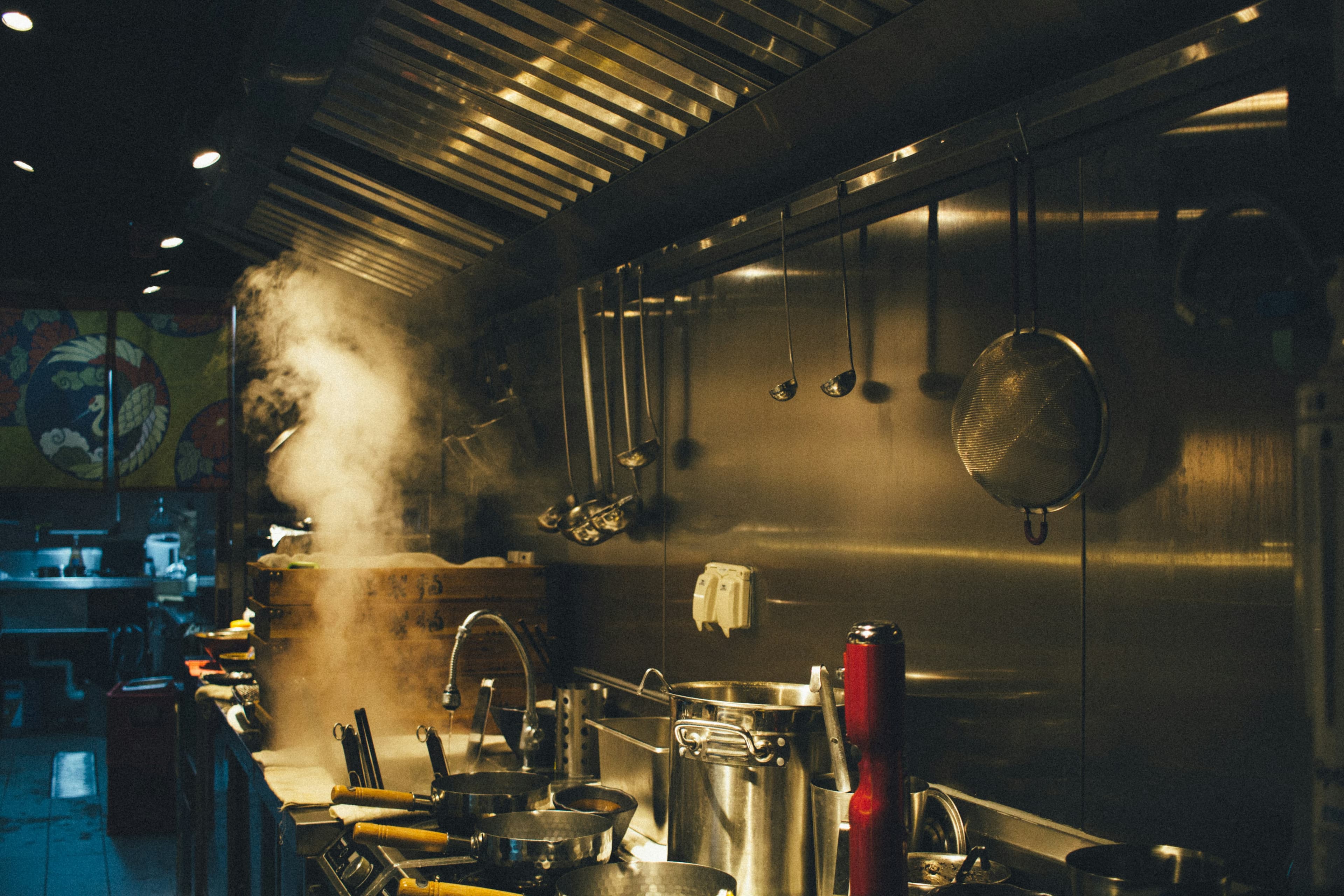
Restaurant owners already juggle payroll, licensing, and food and alcohol costs. Equipment financing keeps stoves, ovens, and everything else in the kitchen from competing with that cash flow.
$0 down equipment financing is available with terms up to 72 months, alongside unsecured revolving lines of credit for cash-flow needs that aren't tied to a specific piece of equipment.
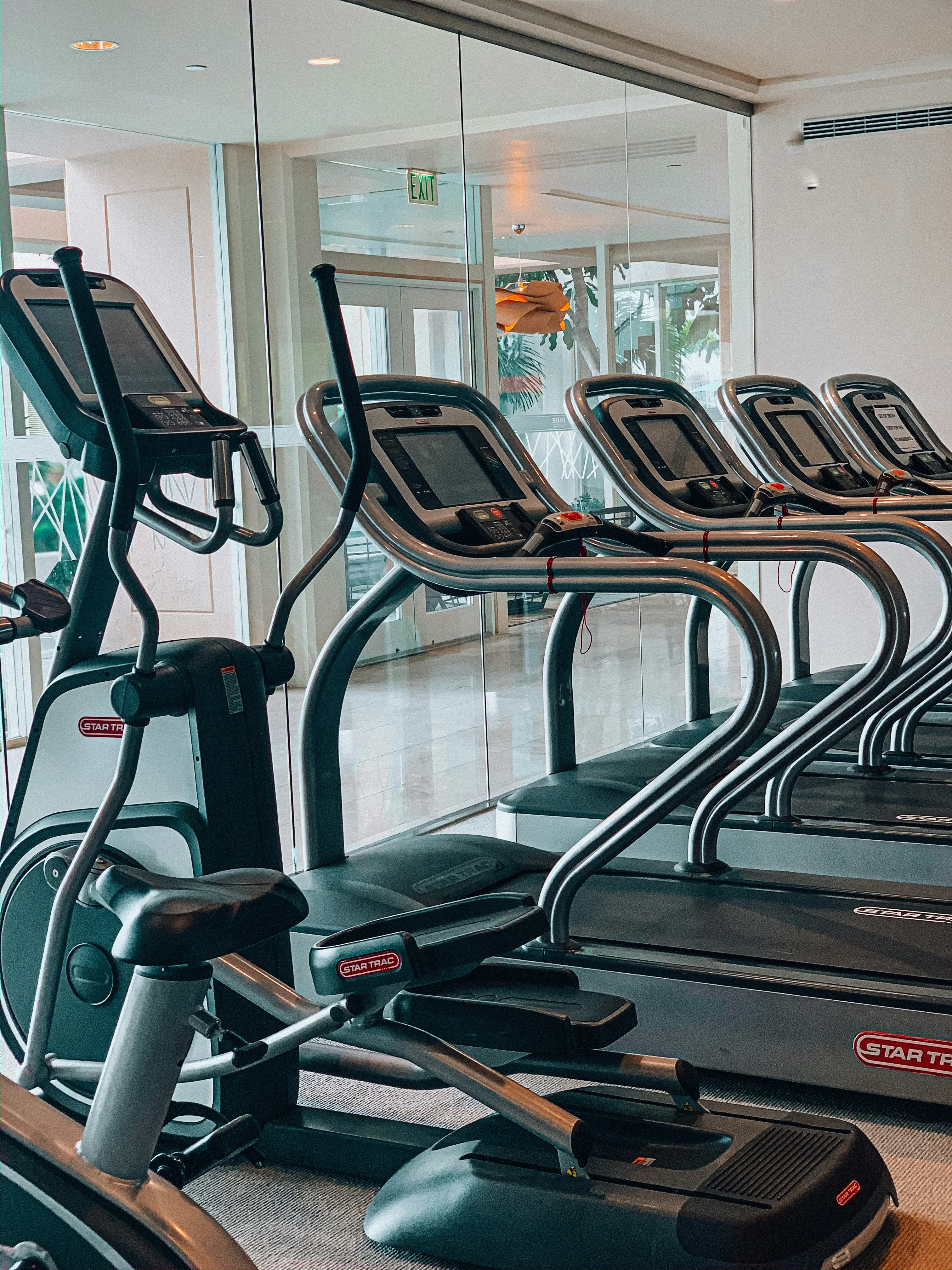
Gym Equipment
Keeping a gym current with equipment is expensive, and it sits on top of rent, maintenance, insurance, advertising, utilities, staffing, and seasonal membership swings.
If you like running the newest machines, a lease agreement lets you return equipment at the end of term and upgrade. If you'd rather own your equipment outright, a straight financing contract is the other route. Working capital and unsecured lines of credit are also available for overhead beyond equipment itself.
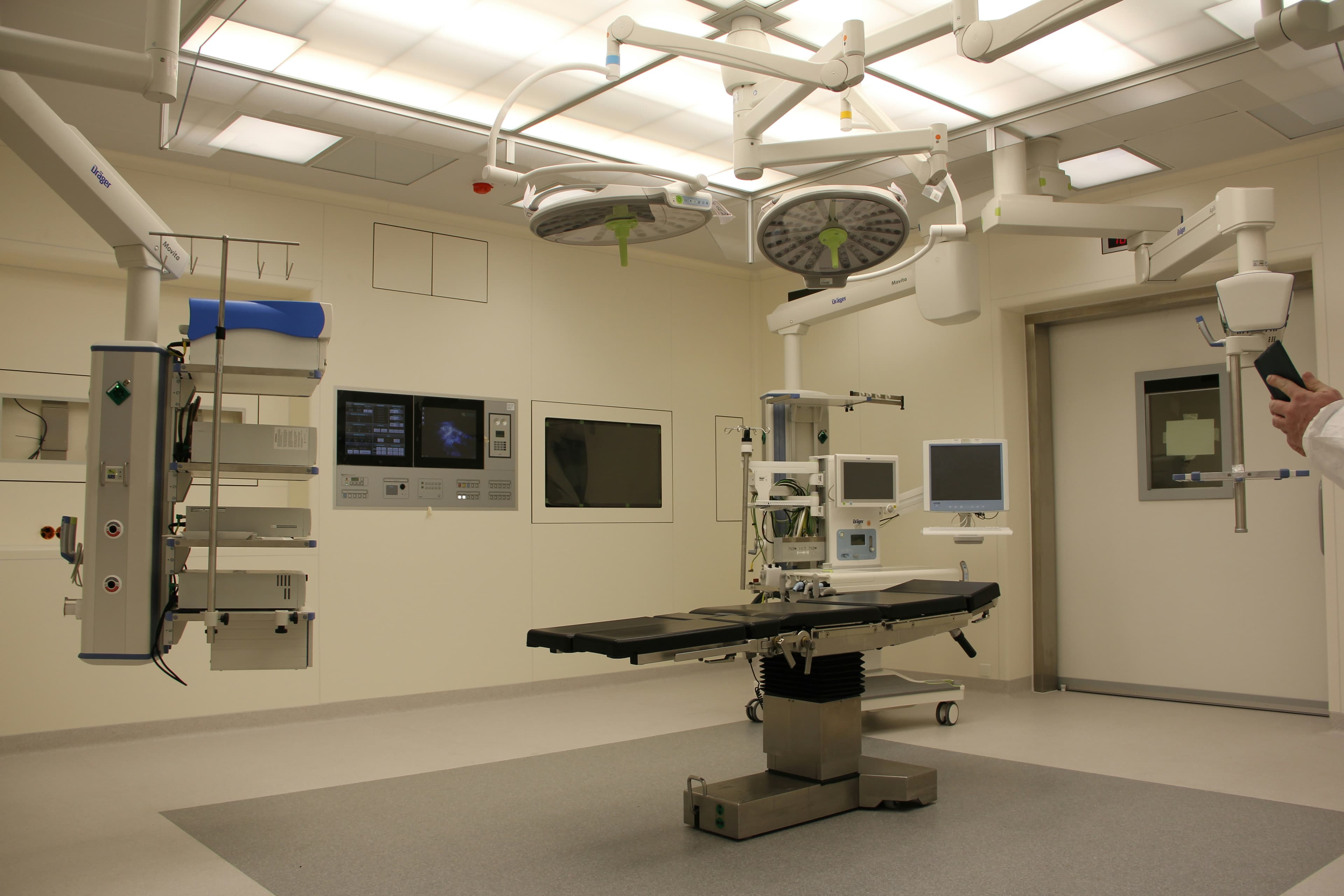
Medical Equipment
Medical practices deal with a specific cash-flow problem: insurance reimbursement lags behind the cost of running the practice.
An unsecured line of credit is a common way to bridge that gap. For newer technology or a new practice buildout, equipment financing spreads the cost instead of requiring a large cash outlay up front.
Other industries we finance
Beyond the five above, Easy Equipment Finance also works with these industries.
Manufacturing
Financing programs for a manufacturing industry reshaped by automation and 3D printing, plus unsecured lines of credit to help absorb material costs.
Material Handling
A material handling industry projected to grow past $319 billion by 2029 means the pressure to keep equipment current — and safe — never really lets up.
Logging & Forestry
A $16 billion domestic industry with expensive, specialized equipment. Monthly and seasonal payment structures available.
Waste Management
Garbage trucks, dumpsters, industrial balers, portable toilets, and trash compactors.
Auto & Diesel Repair Shops
Financing for the shop equipment auto and diesel repair businesses run on.
Frequently asked
Is it better to finance or rent construction equipment?
It depends on the cost of the specific machine and how often you'll use it. Check current rental rates for the equipment you need — if you'd be renting it regularly, financing usually wins because you build toward ownership and get a tax write-off instead of an ongoing rental expense.
Why is trailer financing underwritten differently than truck financing?
A trailer doesn't move on its own — it has to be hooked up to a truck. Lenders worry about what happens to your trailer payment if your truck breaks down, so underwriters may ask for bank statements to confirm you could still make the trailer payment on its own.
What financing is available for a medical practice's cash flow, not just equipment?
An unsecured line of credit is commonly used to bridge the gap between when a medical practice bills insurance and when it actually gets paid — separate from financing a specific piece of equipment.
Can a gym owner finance equipment on a lease instead of buying it outright?
Yes. If you prefer to run the newest equipment and refresh it regularly, a lease agreement gives you the flexibility to return equipment at the end of term and upgrade. If you'd rather own it outright, a straight financing contract is the other option.
Want to know what rate range and down payment to expect? See Rates, estimate a payment with the loan calculator, or contact us directly.